

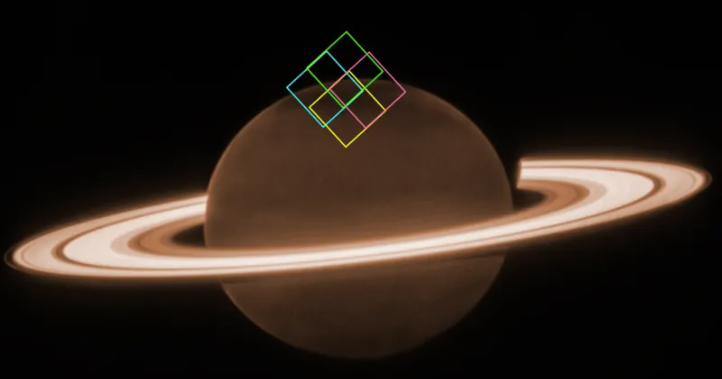
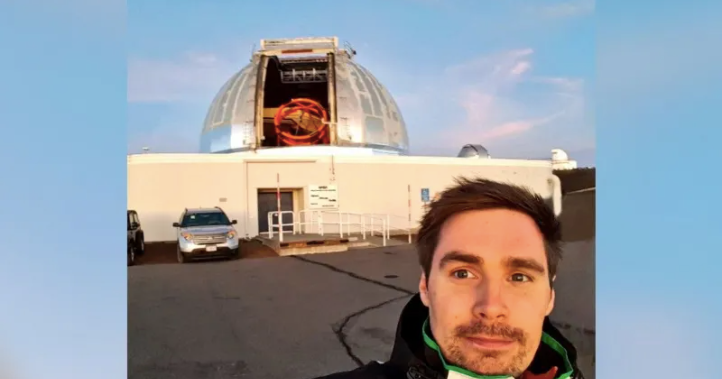
Prepare to witness a cosmic spectacle like never before as astronomer Dr. James O’Donoghue, from the University of Reading, embarks on an extraordinary journey to unveil the secrets of Saturn’s northern lights. Armed with the groundbreaking James Webb Telescope (JWST), Dr. O’Donoghue and his team are poised to revolutionize our understanding of these celestial phenomena.
The JWST, renowned as the most powerful telescope ever created, will provide an unprecedented view of Saturn’s auroras, promising insights that could reshape our comprehension of the ringed planet and its enigmatic light displays. Joining forces with Dr. Henrik Melin from the University of Leicester School of Physics, the research team is poised to embark on a quest that could fundamentally shape our understanding of both Saturn and Uranus.
At the heart of the study lies a quest to decipher the origins of Saturn’s and Uranus’s auroras, which remain shrouded in mystery. By harnessing the JWST’s advanced capabilities, the team aims to unravel the complex interplay of highly energetic charged particles and magnetic fields that give rise to these mesmerizing light shows.
With Uranus in focus, the study seeks to illuminate whether its auroras stem from interaction with the solar wind, internal sources within the planetary system, or a combination of both – a question that has long puzzled astronomers.
Beyond shedding light on the origins of auroras, the study holds the potential to reveal insights into the rotational dynamics of these distant worlds, offering tantalizing clues about their day lengths.
Set against the backdrop of space, the JWST offers an unparalleled vantage point free from the interference of Earth’s atmosphere, ensuring pristine observations of these captivating phenomena.
Selected from a competitive pool of 1,931 submissions for the JWST Cycle 3 General Observer Program, this ambitious project will capture images of Saturn and Uranus over the course of an entire day, providing a comprehensive portrait of their auroral activities.
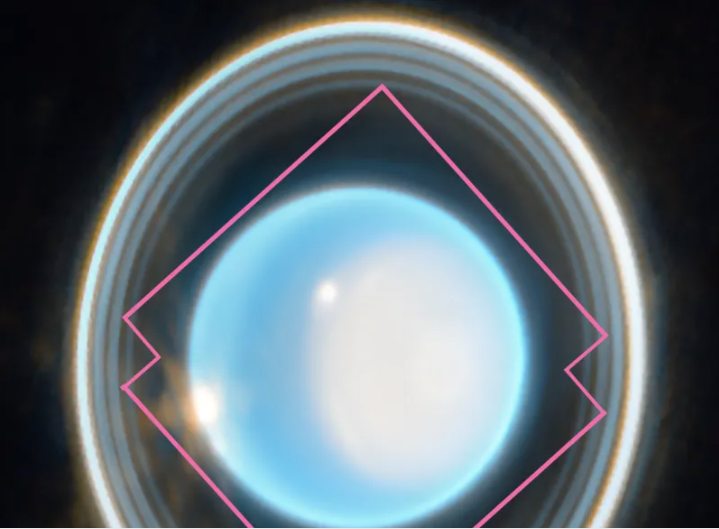
Scheduled for late 2024 and early 2025, the observations promise to unveil a wealth of discoveries, igniting our imagination and deepening our understanding of the cosmos. Stay tuned as we embark on this extraordinary voyage of discovery, poised to unveil the secrets of Saturn’s northern lights and unlock the mysteries of our solar system’s distant giants.













Leave a comment