

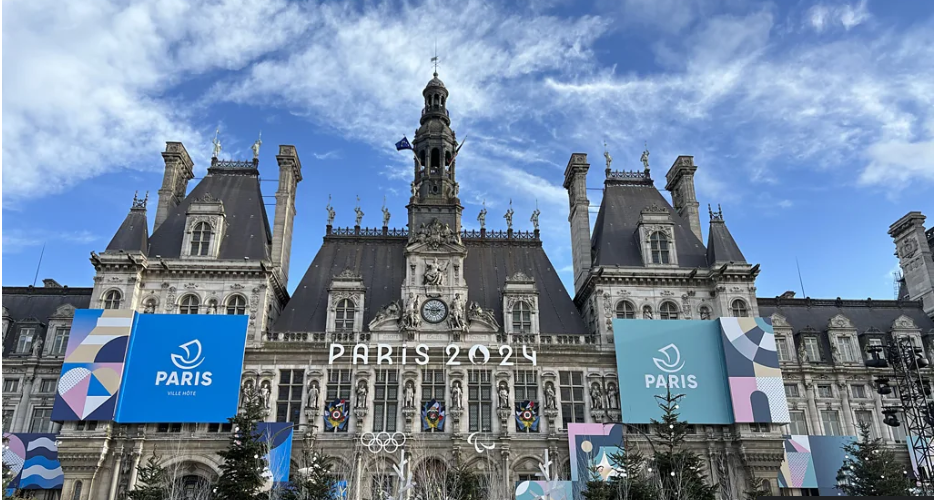
Many Olympic events will take place at the city’s most legendary venues. Here’s how to see the Games – with or without a ticket – near some of Paris’ world-famous monuments.
Remarkable sporting achievements and heroism aside, this summer’s Olympics in Paris will shine light on a plethora of historical landmarks. Over the course of four weeks (Olympics 26 July-11 August; Paralympics 28 August-8 September), millions of spectators will gravitate to Europe’s most densely populated city to watch world-class sport unfurl in open-air arenas and along road routes soaked in history.
There’ll be athletes running in the footsteps of women revolutionaries who marched to Versailles in 1789 demanding bread and arms; swimmers in the River Seine reviving an old-school urban tradition banned since 1923; and world-class cyclists powering up the steep, cobbled street in Montmartre where Louis Renault supposedly road-tested his first car in 1898. The cultural cache is immense.
In keeping with Paris 2024’s pledge to halve the Games’ previous carbon footprint, 95% of the world’s biggest sporting event will take place in existing venues or one of seven temporary structures crafted for the occasion – typically in an iconic square or in the shadow of a world-famous monument. While tickets for the most popular events have already been snapped up, seats still remain for football, rugby and other big-venue sports; ditto for most Paralympic events. New “gold-dust” tickets will be available from mid-May on Paris 2024’s official resale platform – create an online account to ensure first dibs. Failing that, here are a few tips and tricks to get in on the action at Paris’ most iconic venues.












Leave a comment