

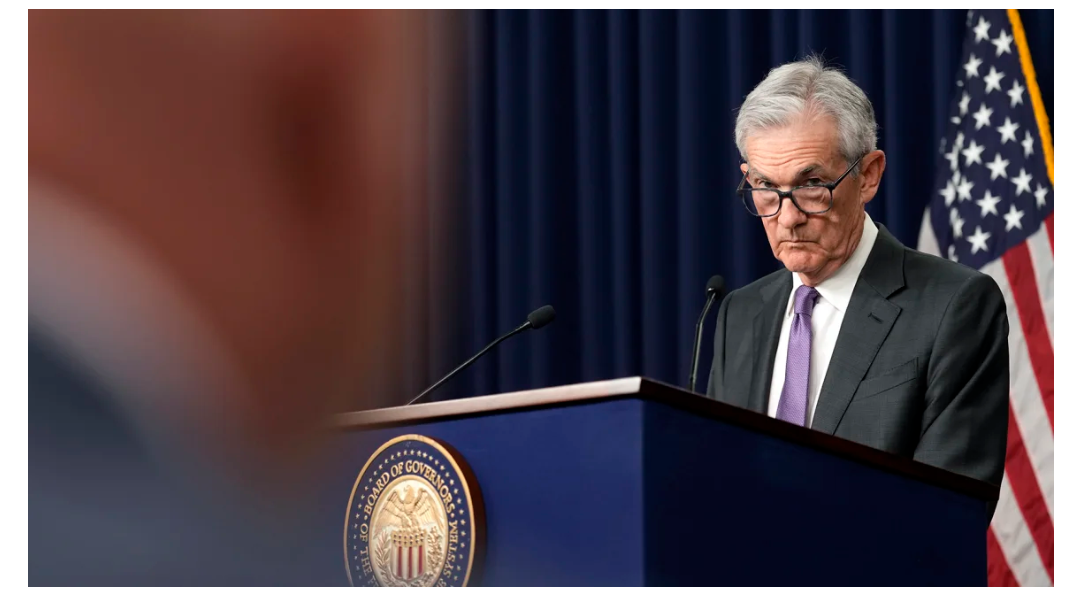
The Federal Reserve has been keen on paying attention to investors’ expectations on interest rates. But the Fed is prepared to ignore Wall Street’s hope for a rate cut in June if it feels the economy isn’t ready yet.
That’s the message Fed Chair Jerome Powell delivered on Friday.
“We don’t need to be in a hurry to cut,” he said, adding that strong employment data is buying the central bank more time to wait until inflation gets closer to 2%.
Hours before Powell spoke at an event hosted by the San Francisco Fed, the central bank’s preferred inflation gauge — the Personal Consumption Expenditures price index — was released.
The index ticked up last month to 2.5% on an annual basis, moving further from the Fed’s 2% target. Powell wasn’t fretting about it though, saying that it was “pretty much in line with our expectations.”
“If we reduce rates too soon, there’s a chance that inflation would pop back and we’d have to come back in and that would be very disruptive (to the economy),” he said.
He also acknowledged the risks of leaving rates where they are now. If the Fed waits too long to cut, high interest rates could further punish Americans and the economy by potentially triggering a recession.
That’s not materializing at the moment. “This is an economy that doesn’t feel like it’s suffering from the current level of rates,” Powell said.
Like Powell, several Fed officials have conveyed they’re more concerned about cutting too soon than prolonging the status quo. Atlanta Fed President Raphael Bostic, currently a voting member on the Fed’s rate-setting committee, recently went as far as to suggest the central bank should only cut rates once this year because of the inflationary risks.
Ultimately, Powell said he doesn’t see rates falling to their pre-pandemic levels of around 2% in the foreseeable future. By comparison, the Fed is currently targeting a range of 5.25% to 5.5%, a 23-year high.











Leave a comment