

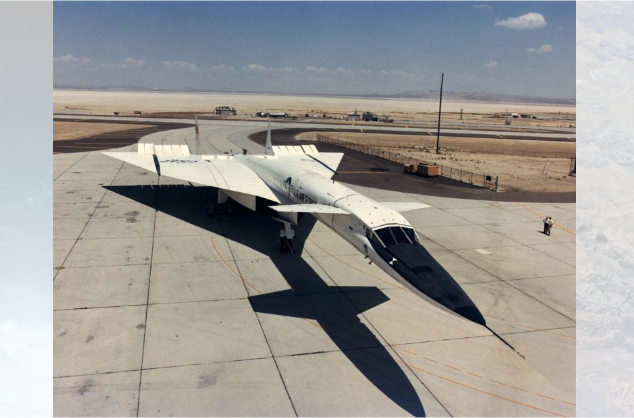
In the shadow of Concorde’s legendary status, lies another majestic supersonic aircraft that once graced the skies – the XB-70 Valkyrie. Born out of a visionary project by the US Air Force, this experimental aircraft embarked on its maiden flight in September 1964, setting the stage for a new era in supersonic aviation, nearly half a century ago.
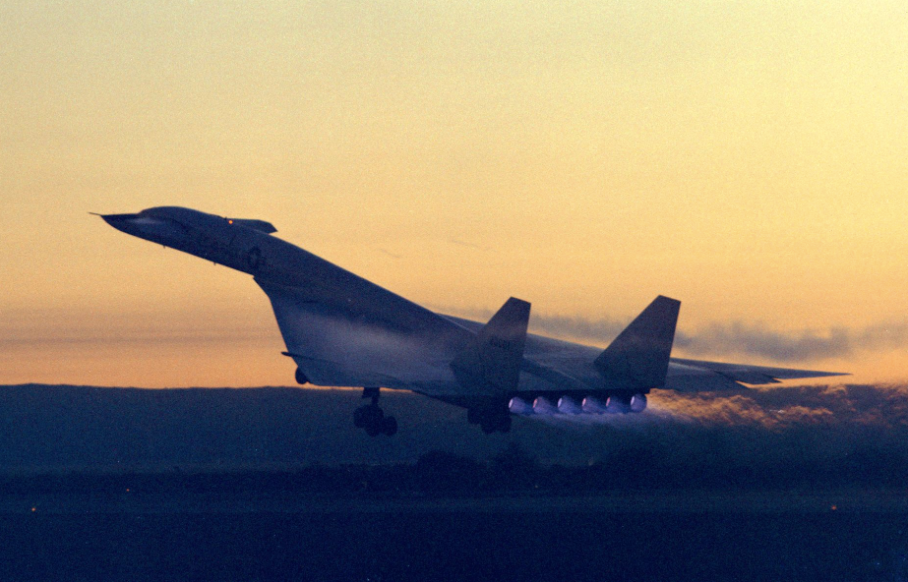
“The overall design of the XB-70 was a thing of beauty,” remarks Tony Landis, a historian deeply familiar with its legacy. “It’s remarkable to consider that such an aesthetically pleasing and technologically advanced aircraft was conceived over 65 years ago, long before the era of AI and computer-based engineering.”
Despite encountering hurdles along its journey, including a tragic midair collision, the XB-70’s significance in aviation history remains undeniable. Its sleek delta-shaped wings, along with other innovative features, laid the groundwork for subsequent supersonic aircraft developments, leaving an indelible mark on the industry.
Initially conceived as a strategic bomber capable of Mach 2 speeds and high-altitude flights, the XB-70’s destiny pivoted towards high-speed research following geopolitical shifts. Nevertheless, its impact reverberated beyond military applications, with proposals envisioning passenger variants promising unprecedented speed and luxury travel.
Imagined configurations ranged from high-density seating for over a hundred passengers to deluxe arrangements with lounge areas, hinting at a glamorous era of air travel that never came to fruition. Nonetheless, the XB-70’s potential as a supersonic transport captured imaginations, inspiring designs that followed in its wake.
Tragically, the XB-70 program was cut short by a fatal accident in 1966, marking the end of its operational life. However, its legacy endures through its contributions to aviation research and the valuable data gleaned from its groundbreaking flights.
Today, as we reflect on the XB-70’s storied past, we honor its role as a pioneer in supersonic flight. Its influence continues to shape the future of aerospace engineering, reminding us of the boundless possibilities that await exploration in the realm of high-speed aviation.













Leave a comment